
Shining reputation
Lumidata's SOLYS POS analytics is recognized as the brightest and most powerful suite of best-practices analytics in the consumer goods industry.
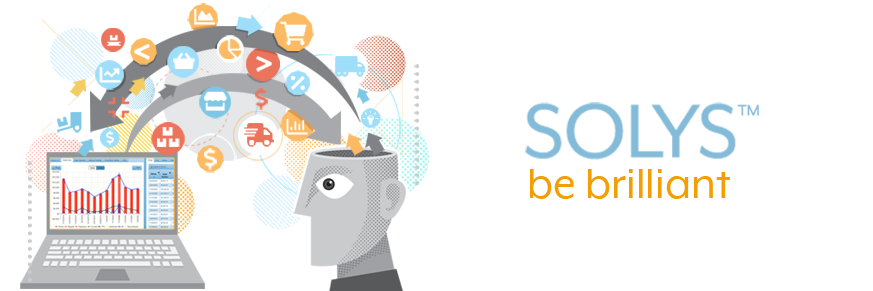
SOLYS transforms Monday morning retailer data into clear dashboards and detailed reports, so there's no numbers crunching or report building. Just clear, actionable knowledge to help you make decisions immediately.
It's a total solution for managing demand data across the entire CPG enterprise because it increases revenues and profit margins with a single platform. SOLYS POS analytics speaks a common language across all of your retail partners' POS data.
When it comes to the speed and ease of discovering and acting upon business insights, SOLYS is positively brilliant.

Reclaim time and use it where it counts—gaining control of your business and ground over your competitors. SOLYS automated weekly reports are delivered to your inbox, every Monday morning, even before you wake up. SOLYS automation ensures consistent reporting throughout the organization, for a consolidated view of your sales, category and supply chain performance to help measure your key performance indicators (KPIs).
Bring more insights and greater value to your retailers than your competitors can with the heavyweight reporting power of the SOLYS platform. You will find almost any metric you want in SOLYS because we are continuously adding new retailer metrics and proprietary metrics that you will need to keep up with emerging retail trends. This enables you to share information with your retail partners that the retailers may not have themselves.
Manage what data you see and when you see it with analytics and dashboards to help you create and share reports that make it easy for other members of your organization to understand the potential challenges and opportunities you've identified. If you want to customize a report, it's easy to do yourself. Other software providers charge extra for customized reporting. With SOLYS, you can customize your own reports, even canned reports from the SOLYS best-practices library.
You can start with a low-cost, low-commitment SOLYS solution and grow it to fit your needs. Make your solution your solution, whether you have one user or a team of 50, one brand, category or retailer, or an enterprise-wide retailer base. Start with SOLYS POS analytics and then expand your data sources to customize your reporting and grow your insights.
Connect with us.
SUBSCRIBE
CONTACT US
SCHEDULE MEETING